Global Conscience Project

Independent magazine · Facebook community

Global Conscience Project

An independent editorial publication connected with the Global Conscience Project Facebook community.

Read the magazine
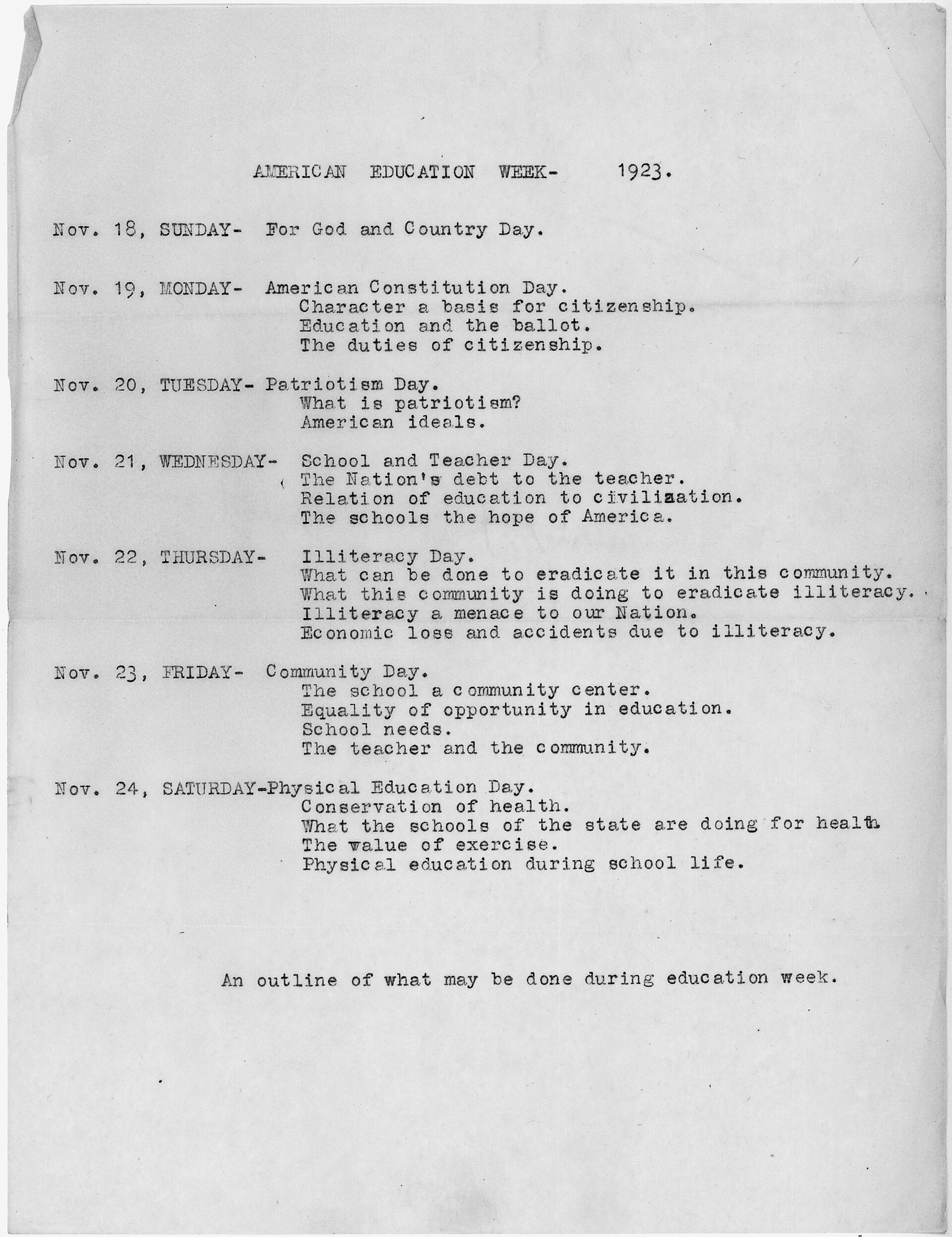
Scope and content: This document illustrate aspects of Federal policy towards Native Americans and its execution with regard to Native American education during the early twentieth century preceding passage of the Indian Reorganization Act.

Facebook community

Join the Global Conscience Project community.

Follow the Page and take part ↗

Current edition

Ideas, people and practical ways forward.

The Philippine Women's University [1] (Pamantasang Pambabae ng Pilipinas commonly abbreviated as PWU and colloquially referred to as Pidabs) is a private non-stock, non-profit, non-sectarian educational institution that promotes Christian education and inter-faith ecumenism in the character formation of our learners, with emphasis on the PWU Core Values of spirituality and ethical professionalism, cultural heritage and leadership in women's education, and professional competencies for global citizenship toward sustainable development. Taft Avenue, 1743 [2] Coordinates: 14°34'28"N 120°59'23"E [3]

Feature 01

Origins and context

An independent editorial publication connected with the Global Conscience Project Facebook community. This feature looks beyond the headline and asks what the idea means in lived experience.
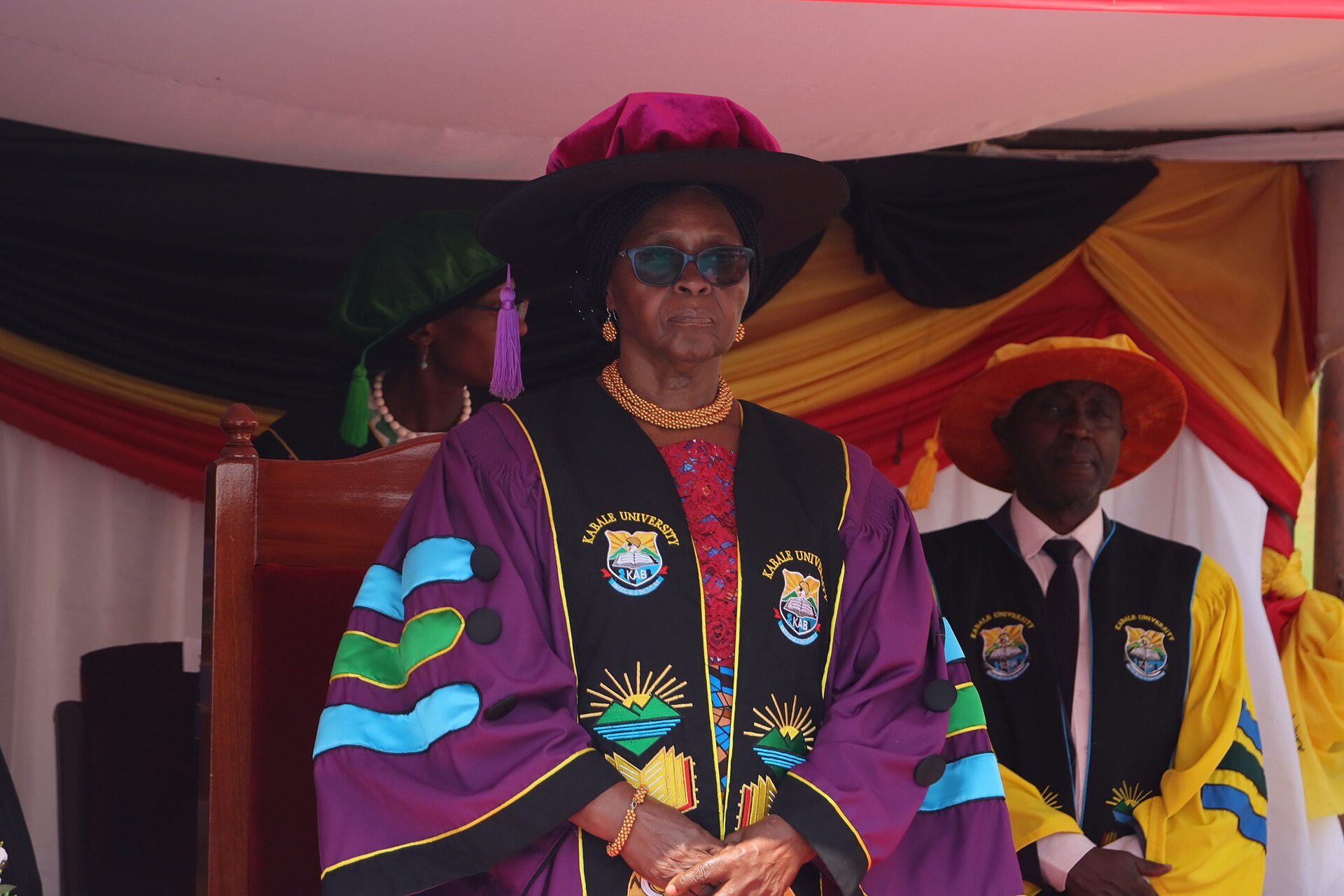
At the moment she is participating in the ERASMUS-JMO-2021-MODULE. This project is for Spreading women’s Empowerment and Active citizenship values to enhance Union Policies combating gender discrimination and violence in a globalized world ( https://www.dss.uniroma1.it/it/didattica/SPEAKUP-JM-Module ). Following her graduation from the University of East Africa in 1967, she stayed on, working as an executive secretary in the university administration. She advanced to become the postgraduate studies deputy registrar by 1994. Between 1995 and 1998, she served as the head of the Department of Women and Gender Studies at Makerere University. From 1998 until 2001, she was the dean of the Faculty of Social Sciences at Makerere University. In 2001, she was appointed vice chancellor of Kabale University. Women Rights advocacy She was a founder member of Action for Development (ACFODE) – a national women’s rights organization which redirected the Women’s Movement in Uganda during the 1980s and 1990s. She co-founded a national women rights body (Action for Development) and actively promoted gender equity in education through organisations such as Forum for African Women Educationalists (FAWE) where she represents Uganda on the FAWE Africa Board, Uganda Association of University Women, and African Women in Research and Development (AAWORD). She is s also a founding member of KOMAZA (2006) – a Civil Society Organisation with headquarters in Kabale, with the goal of empowering communities, especially girls and women, and other disadvantaged members of society. Books published Women's Access to Higher Education in Africa. Uganda's Experience (Fountain Series in Gender Studies). African Women's Movements : Transforming Political Landscapes. The Women's Movement in Uganda : History, Challenges, and Prospects. Articles and Papers published Gender mainstreaming in the university context: Prospects and challenges at Makerere University, Uganda. On Student Access and Equity in a Reforming University: Makerere in the 1990s and Beyond Consultancy research as a barrier to strengthening social science research capacity in Uganda Gender Equity in Commonwealth Higher Education: Emerging Themes in Nigeria, South Africa, Sri Lanka, Tanzania and Uganda. The women's movement in Uganda revisited: will the twenty-first century create a different strand? The doors have been left ajar: Women in contemporary African higher education.

Feature 02

People and perspectives

An independent editorial publication connected with the Global Conscience Project Facebook community. This feature looks beyond the headline and asks what the idea means in lived experience.
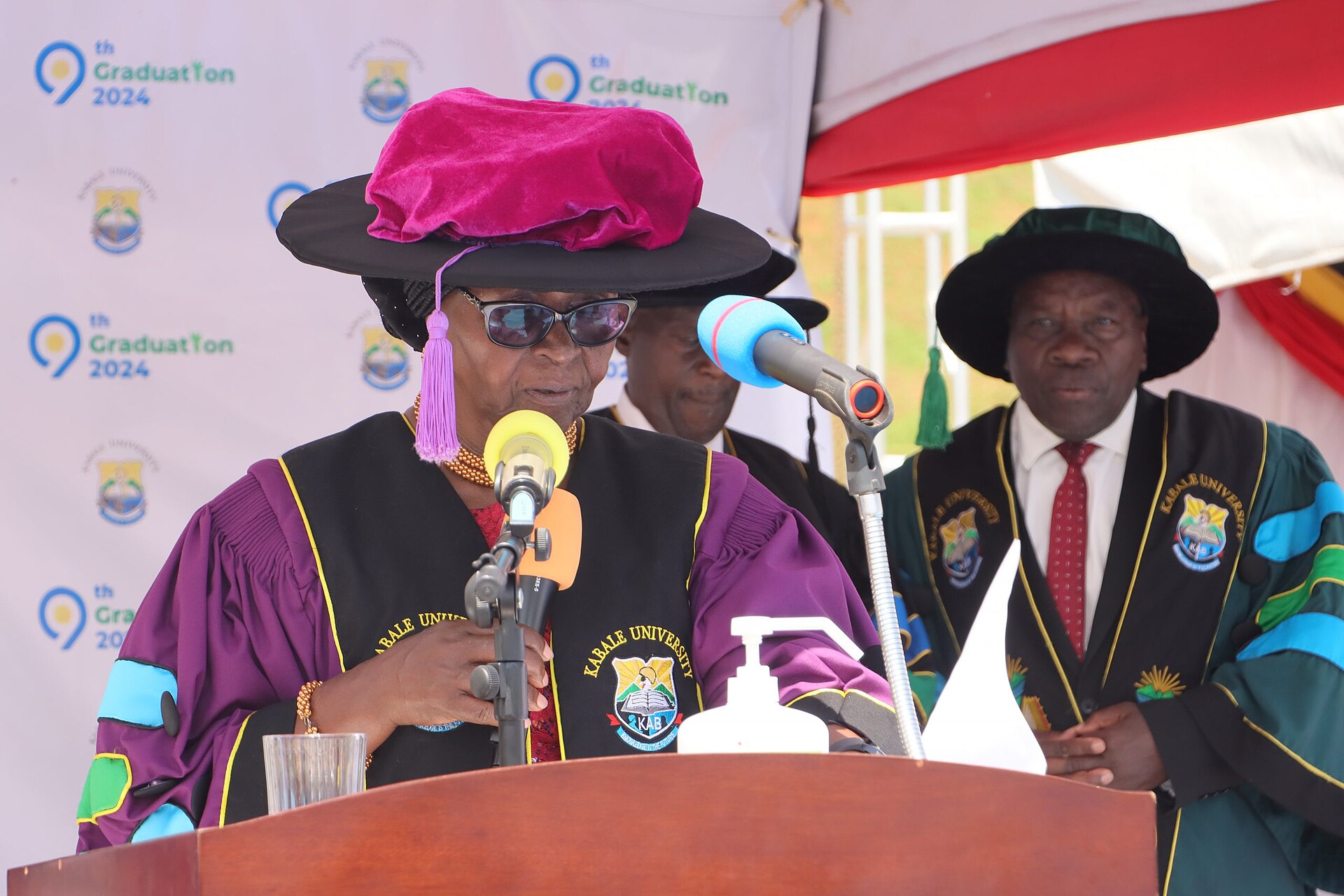
At the moment she is participating in the ERASMUS-JMO-2021-MODULE. This project is for Spreading women’s Empowerment and Active citizenship values to enhance Union Policies combating gender discrimination and violence in a globalized world ( https://www.dss.uniroma1.it/it/didattica/SPEAKUP-JM-Module ). Following her graduation from the University of East Africa in 1967, she stayed on, working as an executive secretary in the university administration. She advanced to become the postgraduate studies deputy registrar by 1994. Between 1995 and 1998, she served as the head of the Department of Women and Gender Studies at Makerere University. From 1998 until 2001, she was the dean of the Faculty of Social Sciences at Makerere University. In 2001, she was appointed vice chancellor of Kabale University. Women Rights advocacy She was a founder member of Action for Development (ACFODE) – a national women’s rights organization which redirected the Women’s Movement in Uganda during the 1980s and 1990s. She co-founded a national women rights body (Action for Development) and actively promoted gender equity in education through organisations such as Forum for African Women Educationalists (FAWE) where she represents Uganda on the FAWE Africa Board, Uganda Association of University Women, and African Women in Research and Development (AAWORD). She is s also a founding member of KOMAZA (2006) – a Civil Society Organisation with headquarters in Kabale, with the goal of empowering communities, especially girls and women, and other disadvantaged members of society. Books published Women's Access to Higher Education in Africa. Uganda's Experience (Fountain Series in Gender Studies). African Women's Movements : Transforming Political Landscapes The Women's Movement in Uganda : History, Challenges, and Prospects. Articles and Papers published Gender mainstreaming in the university context: Prospects and challenges at Makerere University, Uganda. On Student Access and Equity in a Reforming University: Makerere in the 1990s and Beyond Consultancy research as a barrier to strengthening social science research capacity in Uganda Gender Equity in Commonwealth Higher Education: Emerging Themes in Nigeria, South Africa, Sri Lanka, Tanzania and Uganda The women's movement in Uganda revisited: will the twenty-first century create a different strand? The doors have been left ajar: Women in contemporary African higher education

Feature 03

Practical action

An independent editorial publication connected with the Global Conscience Project Facebook community. This feature looks beyond the headline and asks what the idea means in lived experience.
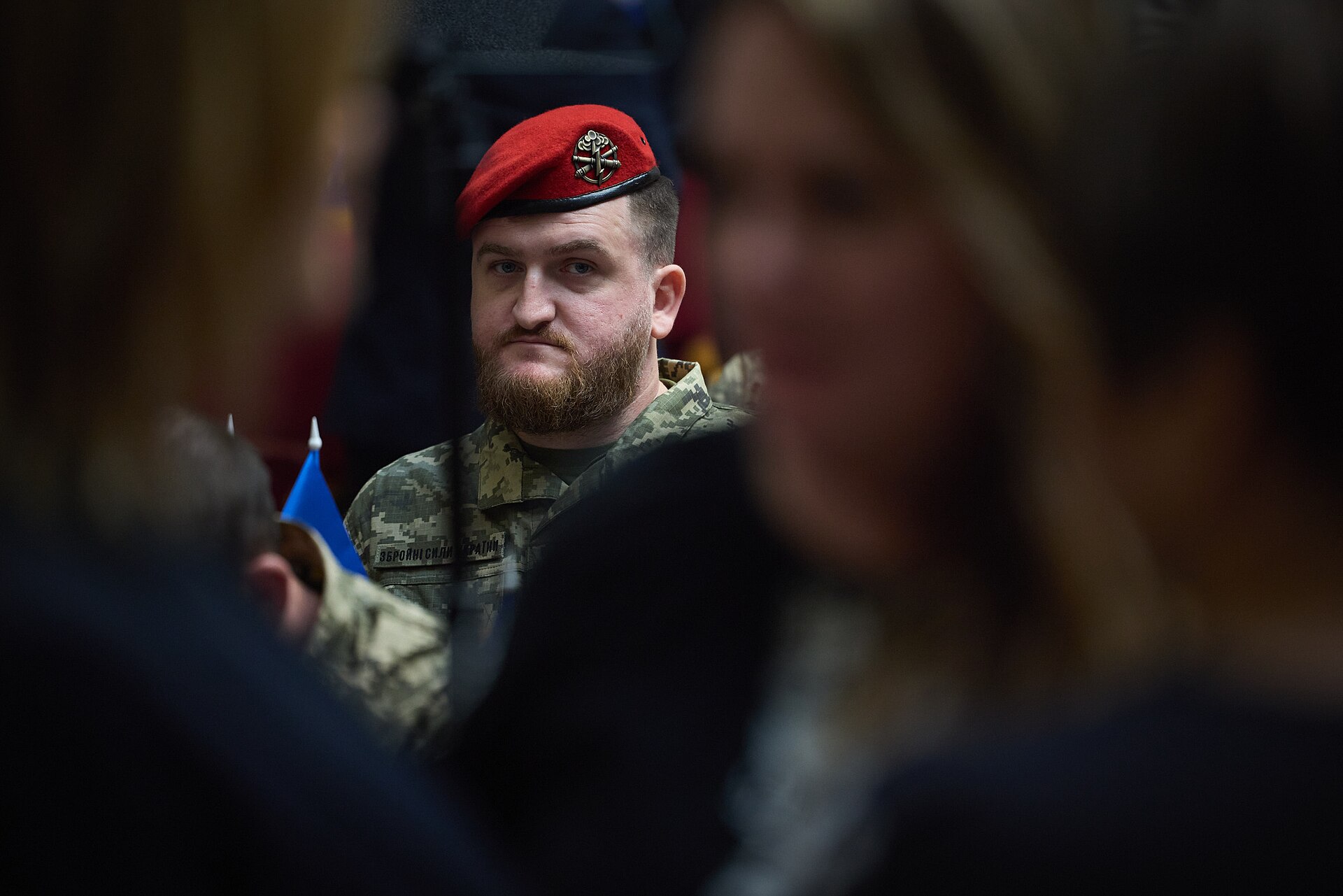
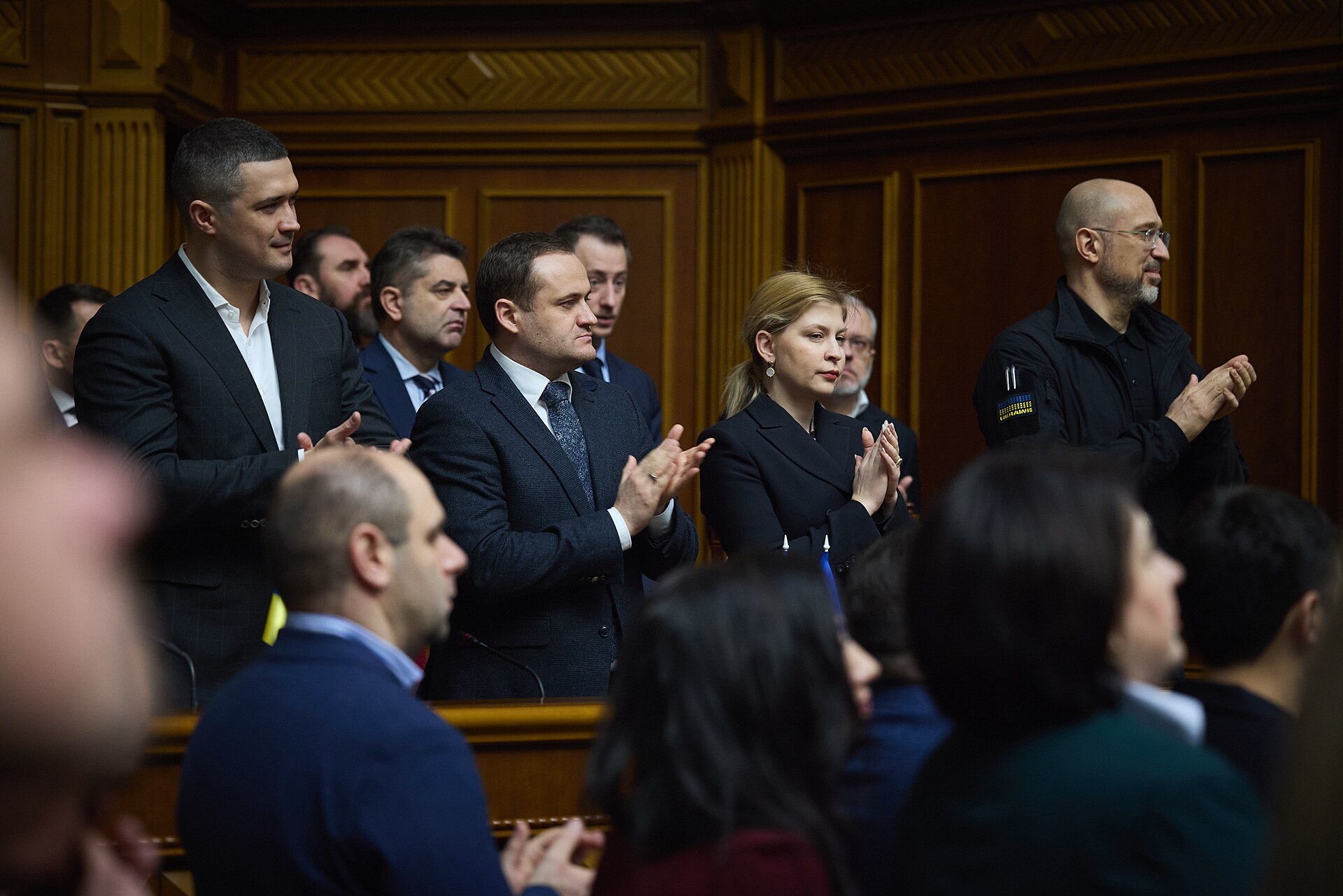
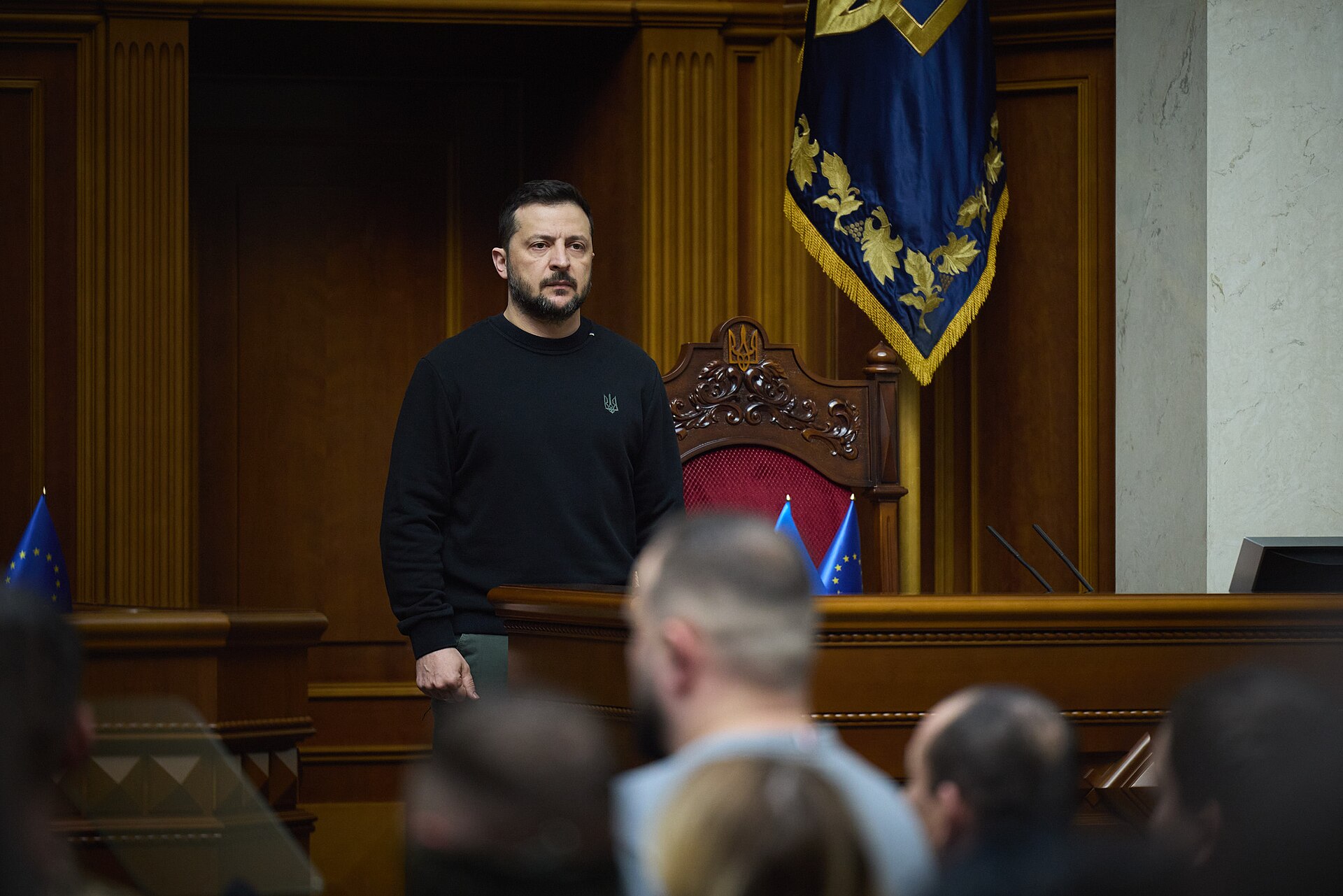
Ukraine's Internal Resilience Plan consists of ten points: "Unity", "Front", "Armament", "Money", "Energy", "Security", "Communities", "Human Capital", "Cultural Sovereignty" and "Heroes Policy". President Volodymyr Zelenskyy presented the contents of the plan in his speech at the Verkhovna Rada. The first point – “Unity”. According to the Head of State, without unity, the necessary results of the Victory Plan cannot be achieved. “The world may sometimes turn a deaf ear to individual voices, but never to an entire nation that knows what it wants, works together, and knows how to achieve its goals,” the Head of State noted. In particular, it is thanks to unity that Ukraine has achieved the highest level of closeness with the EU and NATO for the entire period of its independence. The President urged everyone in the country to act with maximum speed in adopting and implementing the decisions necessary for Ukraine to become the fastest country to join the European Union. "The right of Ukraine to NATO membership is also of vital importance to all of us. Ukraine will be in the Alliance. It will if we continue to engage with the Alliance in unity – all of Ukraine as one. This is the only way nations are not rejected,” Volodymyr Zelenskyy added. The second point – “Front”. It provides for specific measures to stabilize the front, enhance the technological capabilities of Ukraine’s Defense Forces, simplify processes and overcome bureaucracy within the army. “Changing approaches to personnel management in the Armed Forces of Ukraine and the National Guard of Ukraine, as well as spreading the best management practices applied in some units to all other elements of Ukraine's Defense and Security Forces, is a central task of our country's defense policy,” the President noted. The third point – “Armament”. It refers to expanding domestic production of guns and artillery shells, missiles, and drones in cooperation with partners. According to Volodymyr Zelenskyy, Ukrainian armament is one of the foundations of independence. “There is no doubt that simply increasing production is not enough for us. We need to surpass Russia in technology. Currently, we are often looking for answers to their technological solutions. Unfortunately, they have them. We need them to look for answers to our technological solutions,” the Head of State stressed. The fourth point – “Money”. It is about building a new economic policy based on supporting Ukrainian entrepreneurship, de-shadowing of business and ensuring its security, as well as reducing the pressure from all state institutions. “This is the kind of economic policy that can lead Ukraine to sustainable economic growth, sufficient coverage of Ukraine's defense needs, and preservation of human capital, through the ability of Ukrainians to realize themselves and their aspirations in Ukraine. This will not happen without a strong economy. And a strong economy is impossible without respect for entrepreneurship and entrepreneurs,” Volodymyr Zelenskyy explained. The fifth point – “Energy”. It provides for the protection of energy facilities, measures to improve energy efficiency and rational resource consumption. It also includes efforts to create the conditions for Ukraine to become an energy hub. “Overall, the energy point of the Resilience Plan will be detailed through various annexes – both classified and public – that together will form a clear energy roadmap for Ukraine for the coming years,” the President emphasized. The sixth point – “Security”. It focuses on internal security, which includes the implementation of a new nationwide security system: Safe Region, Safe City, Safe Community. It also includes measures to strengthen the state border, and extensive work on the construction and reconstruction of shelters. “Strengthening Ukraine's state border, training Ukrainians in civil defense and first aid, and deploying a system of basic military training are long-term necessities. This is not about fear. It is about confidence and peace of mind,” Volodymyr Zelenskyy noted. The seventh point – “Communities”. It is based on creating a highly effective system of governance within communities, especially those that have received internally displaced persons and relocated businesses. This point also envisages an increase in the international component of the work – cooperation with countries that have taken patronage over certain Ukrainian regions or cities. In addition, it provides for the establishment of special tax conditions for communities in border regions. “We must not forget our communities that are currently in temporarily occupied territories. We will not forget them. Ukraine must be prepared at all levels to restore control over its entire territory at the right time and through the right actions. And bring back our people,” the President stressed. The eighth point – “Human Capital”. It includes several annexes based on Ukraine's new housing recovery policy and the national standard for accessibility. A separate annex focuses on a new approach to the education of Ukrainian children living abroad. This point of the Plan also provides for the modernization of social policy, including the healthcare system, and the development of cooperation between the state and the Church. In addition, this point offers concrete solutions for preserving human capital: the creation of an institute of multiple citizenships, the reboot of diplomatic service, and free meals for all schoolchildren. A special central executive body, the Ministry of Ukrainian Unity, will also be created to address the needs of the global Ukrainian community. “We must create all the conditions necessary for Ukrainians – wherever they may be – to truly identify as Ukrainians, to work in Ukraine, with Ukraine, for Ukraine, to maintain a genuine and strong emotional bond with our state, with the entire Ukrainian nation, with its achievements and goals,” the Head of State noted. The ninth point – “Cultural Sovereignty”. It provides for the establishment of a broad cultural coalition and, in particular, the implementation of a “Cultural Ramstein” format, the development of cultural diplomacy to promote Ukrainian narratives through cultural and artistic projects abroad. It also envisages the creation of an event calendar for Ukrainian culture in all regions of the world in order to systematically support Ukrainian content. In addition, it aims to create modern cultural spaces and improve cultural infrastructure. “And the most obvious. The deliberate and systematic creation of our own Ukrainian content. Content capable of fully replacing Russian content. This involves investments in the creation of Ukrainian cultural products for different social groups and age categories, especially for our children. This is a matter of both resilience and our security now and in the future. We must outplay Russia in this sphere,” Volodymyr Zelenskyy pointed out. The tenth point – “Heroes Policy.” According to the President, this point is perhaps the most morally significant one. Its implementation should regulate the transition from military service to veteran status. It contains five specific annexes. The first, on the health and rehabilitation of veterans, provides special conditions for defenders. The second is related to the completion of preparatory work for launching the Veteran Assistant Program. The third is aimed at creating a network of veterans spaces in each region of Ukraine. The fourth is focused on the introduction of economic and social support programs for veterans, including assistance in the purchase of housing. The fifth focuses on educational initiatives for veterans and their children. “Everything should provide an institutional guarantee that the state and society are always with the veteran and his or her family. And this must be fully and systematically implemented,” Volodymyr Zelenskyy emphasized. The complete Internal Resilience Plan for Ukraine with all its annexes will be presented this December. According to the President, the document will ultimately become the first Ukrainian doctrine aimed to lead Ukraine from war to peace.

Feature 04

Origins and context

An independent editorial publication connected with the Global Conscience Project Facebook community. This feature looks beyond the headline and asks what the idea means in lived experience.
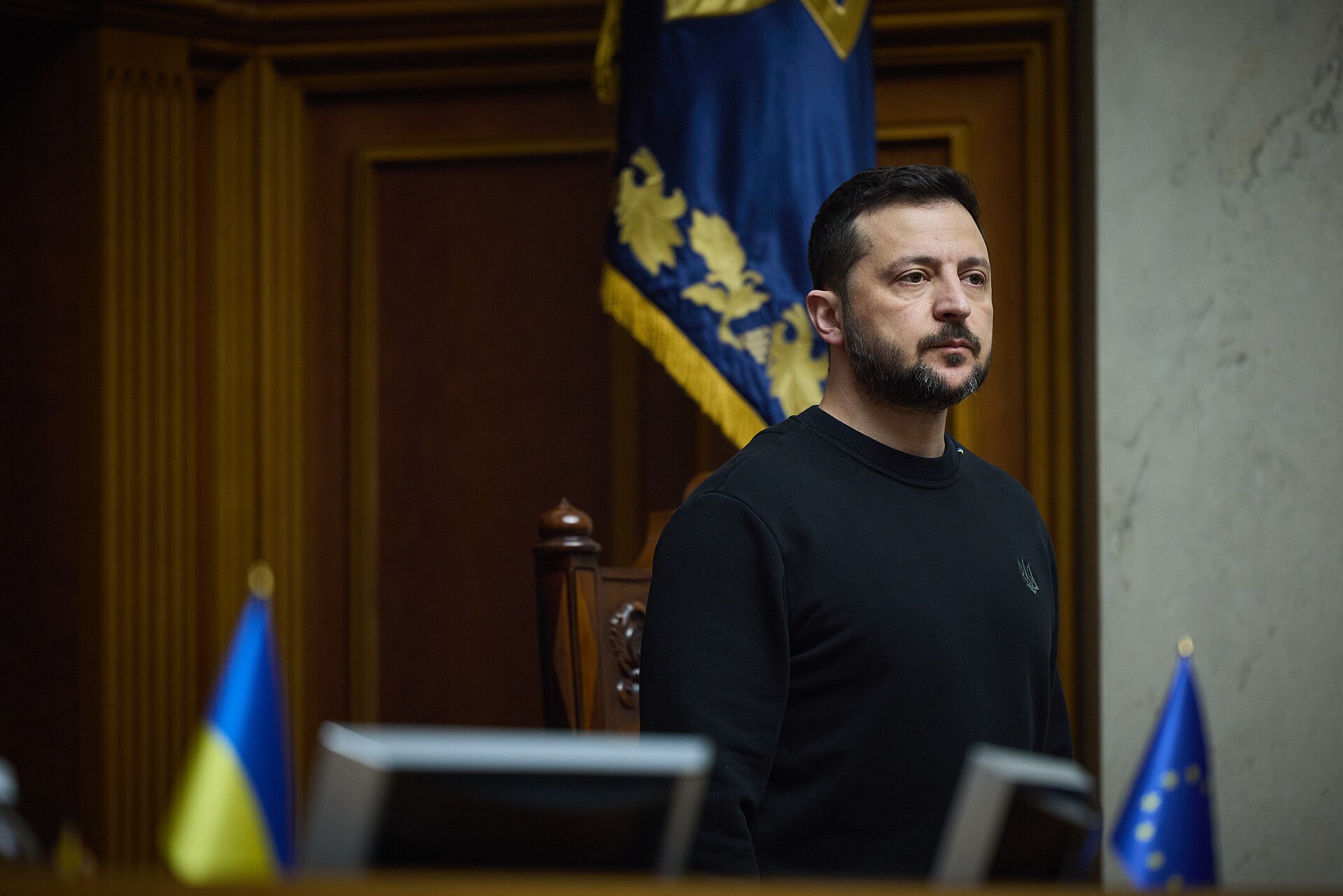
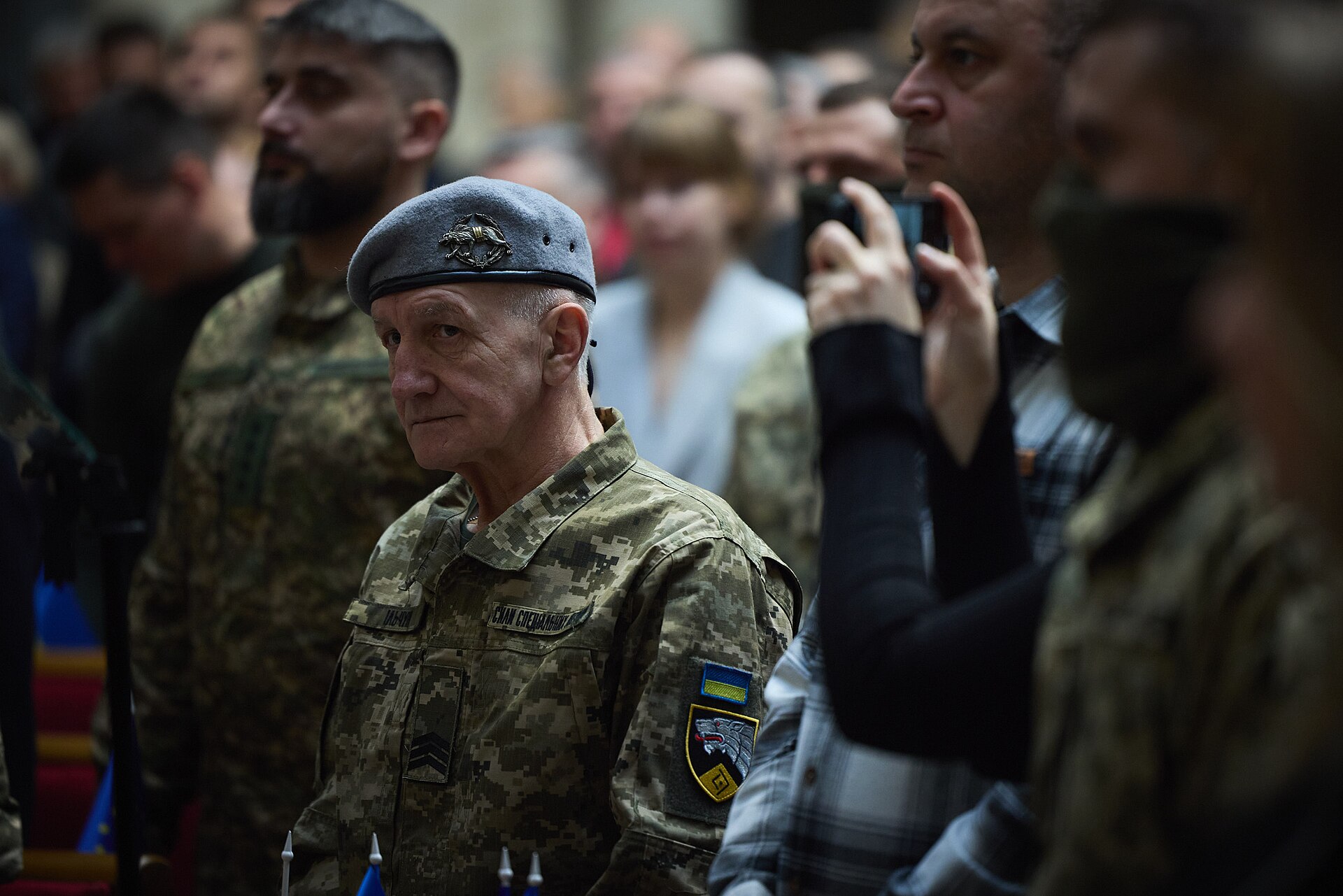
Ukraine's Internal Resilience Plan consists of ten points: "Unity", "Front", "Armament", "Money", "Energy", "Security", "Communities", "Human Capital", "Cultural Sovereignty" and "Heroes Policy". President Volodymyr Zelenskyy presented the contents of the plan in his speech at the Verkhovna Rada. The first point – “Unity”. According to the Head of State, without unity, the necessary results of the Victory Plan cannot be achieved. “The world may sometimes turn a deaf ear to individual voices, but never to an entire nation that knows what it wants, works together, and knows how to achieve its goals,” the Head of State noted. In particular, it is thanks to unity that Ukraine has achieved the highest level of closeness with the EU and NATO for the entire period of its independence. The President urged everyone in the country to act with maximum speed in adopting and implementing the decisions necessary for Ukraine to become the fastest country to join the European Union. "The right of Ukraine to NATO membership is also of vital importance to all of us. Ukraine will be in the Alliance. It will if we continue to engage with the Alliance in unity – all of Ukraine as one. This is the only way nations are not rejected,” Volodymyr Zelenskyy added. The second point – “Front”. It provides for specific measures to stabilize the front, enhance the technological capabilities of Ukraine’s Defense Forces, simplify processes and overcome bureaucracy within the army. “Changing approaches to personnel management in the Armed Forces of Ukraine and the National Guard of Ukraine, as well as spreading the best management practices applied in some units to all other elements of Ukraine's Defense and Security Forces, is a central task of our country's defense policy,” the President noted. The third point – “Armament”. It refers to expanding domestic production of guns and artillery shells, missiles, and drones in cooperation with partners. According to Volodymyr Zelenskyy, Ukrainian armament is one of the foundations of independence. “There is no doubt that simply increasing production is not enough for us. We need to surpass Russia in technology. Currently, we are often looking for answers to their technological solutions. Unfortunately, they have them. We need them to look for answers to our technological solutions,” the Head of State stressed. The fourth point – “Money”. It is about building a new economic policy based on supporting Ukrainian entrepreneurship, de-shadowing of business and ensuring its security, as well as reducing the pressure from all state institutions. “This is the kind of economic policy that can lead Ukraine to sustainable economic growth, sufficient coverage of Ukraine's defense needs, and preservation of human capital, through the ability of Ukrainians to realize themselves and their aspirations in Ukraine. This will not happen without a strong economy. And a strong economy is impossible without respect for entrepreneurship and entrepreneurs,” Volodymyr Zelenskyy explained. The fifth point – “Energy”. It provides for the protection of energy facilities, measures to improve energy efficiency and rational resource consumption. It also includes efforts to create the conditions for Ukraine to become an energy hub. “Overall, the energy point of the Resilience Plan will be detailed through various annexes – both classified and public – that together will form a clear energy roadmap for Ukraine for the coming years,” the President emphasized. The sixth point – “Security”. It focuses on internal security, which includes the implementation of a new nationwide security system: Safe Region, Safe City, Safe Community. It also includes measures to strengthen the state border, and extensive work on the construction and reconstruction of shelters. “Strengthening Ukraine's state border, training Ukrainians in civil defense and first aid, and deploying a system of basic military training are long-term necessities. This is not about fear. It is about confidence and peace of mind,” Volodymyr Zelenskyy noted. The seventh point – “Communities”. It is based on creating a highly effective system of governance within communities, especially those that have received internally displaced persons and relocated businesses. This point also envisages an increase in the international component of the work – cooperation with countries that have taken patronage over certain Ukrainian regions or cities. In addition, it provides for the establishment of special tax conditions for communities in border regions. “We must not forget our communities that are currently in temporarily occupied territories. We will not forget them. Ukraine must be prepared at all levels to restore control over its entire territory at the right time and through the right actions. And bring back our people,” the President stressed. The eighth point – “Human Capital”. It includes several annexes based on Ukraine's new housing recovery policy and the national standard for accessibility. A separate annex focuses on a new approach to the education of Ukrainian children living abroad. This point of the Plan also provides for the modernization of social policy, including the healthcare system, and the development of cooperation between the state and the Church. In addition, this point offers concrete solutions for preserving human capital: the creation of an institute of multiple citizenships, the reboot of diplomatic service, and free meals for all schoolchildren. A special central executive body, the Ministry of Ukrainian Unity, will also be created to address the needs of the global Ukrainian community. “We must create all the conditions necessary for Ukrainians – wherever they may be – to truly identify as Ukrainians, to work in Ukraine, with Ukraine, for Ukraine, to maintain a genuine and strong emotional bond with our state, with the entire Ukrainian nation, with its achievements and goals,” the Head of State noted. The ninth point – “Cultural Sovereignty”. It provides for the establishment of a broad cultural coalition and, in particular, the implementation of a “Cultural Ramstein” format, the development of cultural diplomacy to promote Ukrainian narratives through cultural and artistic projects abroad. It also envisages the creation of an event calendar for Ukrainian culture in all regions of the world in order to systematically support Ukrainian content. In addition, it aims to create modern cultural spaces and improve cultural infrastructure. “And the most obvious. The deliberate and systematic creation of our own Ukrainian content. Content capable of fully replacing Russian content. This involves investments in the creation of Ukrainian cultural products for different social groups and age categories, especially for our children. This is a matter of both resilience and our security now and in the future. We must outplay Russia in this sphere,” Volodymyr Zelenskyy pointed out. The tenth point – “Heroes Policy.” According to the President, this point is perhaps the most morally significant one. Its implementation should regulate the transition from military service to veteran status. It contains five specific annexes. The first, on the health and rehabilitation of veterans, provides special conditions for defenders. The second is related to the completion of preparatory work for launching the Veteran Assistant Program. The third is aimed at creating a network of veterans spaces in each region of Ukraine. The fourth is focused on the introduction of economic and social support programs for veterans, including assistance in the purchase of housing. The fifth focuses on educational initiatives for veterans and their children. “Everything should provide an institutional guarantee that the state and society are always with the veteran and his or her family. And this must be fully and systematically implemented,” Volodymyr Zelenskyy emphasized. The complete Internal Resilience Plan for Ukraine with all its annexes will be presented this December. According to the President, the document will ultimately become the first Ukrainian doctrine aimed to lead Ukraine from war to peace.Ukraine's Internal Resilience Plan consists of ten points: "Unity", "Front", "Armament", "Money", "Energy", "Security", "Communities", "Human Capital", "Cultural Sovereignty" and "Heroes Policy". President Volodymyr Zelenskyy presented the contents of the plan in his speech at the Verkhovna Rada. The first point – “Unity”. According to the Head of State, without unity, the necessary results of the Victory Plan cannot be achieved. “The world may sometimes turn a deaf ear to individual voices, but never to an entire nation that knows what it wants, works together, and knows how to achieve its goals,” the Head of State noted. In particular, it is thanks to unity that Ukraine has achieved the highest level of closeness with the EU and NATO for the entire period of its independence. The President urged everyone in the country to act with maximum speed in adopting and implementing the decisions necessary for Ukraine to become the fastest country to join the European Union. "The right of Ukraine to NATO membership is also of vital importance to all of us. Ukraine will be in the Alliance. It will if we continue to engage with the Alliance in unity – all of Ukraine as one. This is the only way nations are not rejected,” Volodymyr Zelenskyy added. The second point – “Front”. It provides for specific measures to stabilize the front, enhance the technological capabilities of Ukraine’s Defense Forces, simplify processes and overcome bureaucracy within the army. “Changing approaches to personnel management in the Armed Forces of Ukraine and the National Guard of Ukraine, as well as spreading the best management practices applied in some units to all other elements of Ukraine's Defense and Security Forces, is a central task of our country's defense policy,” the President noted. The third point – “Armament”. It refers to expanding domestic production of guns and artillery shells, missiles, and drones in cooperation with partners. According to Volodymyr Zelenskyy, Ukrainian armament is one of the foundations of independence. “There is no doubt that simply increasing production is not enough for us. We need to surpass Russia in technology. Currently, we are often looking for answers to their technological solutions. Unfortunately, they have them. We need them to look for answers to our technological solutions,” the Head of State stressed. The fourth point – “Money”. It is about building a new economic policy based on supporting Ukrainian entrepreneurship, de-shadowing of business and ensuring its security, as well as reducing the pressure from all state institutions. “This is the kind of economic policy that can lead Ukraine to sustainable economic growth, sufficient coverage of Ukraine's defense needs, and preservation of human capital, through the ability of Ukrainians to realize themselves and their aspirations in Ukraine. This will not happen without a strong economy. And a strong economy is impossible without respect for entrepreneurship and entrepreneurs,” Volodymyr Zelenskyy explained. The fifth point – “Energy”. It provides for the protection of energy facilities, measures to improve energy efficiency and rational resource consumption. It also includes efforts to create the conditions for Ukraine to become an energy hub. “Overall, the energy point of the Resilience Plan will be detailed through various annexes – both classified and public – that together will form a clear energy roadmap for Ukraine for the coming years,” the President emphasized. The sixth point – “Security”. It focuses on internal security, which includes the implementation of a new nationwide security system: Safe Region, Safe City, Safe Community. It also includes measures to strengthen the state border, and extensive work on the construction and reconstruction of shelters. “Strengthening Ukraine's state border, training Ukrainians in civil defense and first aid, and deploying a system of basic military training are long-term necessities. This is not about fear. It is about confidence and peace of mind,” Volodymyr Zelenskyy noted. The seventh point – “Communities”. It is based on creating a highly effective system of governance within communities, especially those that have received internally displaced persons and relocated businesses. This point also envisages an increase in the international component of the work – cooperation with countries that have taken patronage over certain Ukrainian regions or cities. In addition, it provides for the establishment of special tax conditions for communities in border regions. “We must not forget our communities that are currently in temporarily occupied territories. We will not forget them. Ukraine must be prepared at all levels to restore control over its entire territory at the right time and through the right actions. And bring back our people,” the President stressed. The eighth point – “Human Capital”. It includes several annexes based on Ukraine's new housing recovery policy and the national standard for accessibility. A separate annex focuses on a new approach to the education of Ukrainian children living abroad. This point of the Plan also provides for the modernization of social policy, including the healthcare system, and the development of cooperation between the state and the Church. In addition, this point offers concrete solutions for preserving human capital: the creation of an institute of multiple citizenships, the reboot of diplomatic service, and free meals for all schoolchildren. A special central executive body, the Ministry of Ukrainian Unity, will also be created to address the needs of the global Ukrainian community. “We must create all the conditions necessary for Ukrainians – wherever they may be – to truly identify as Ukrainians, to work in Ukraine, with Ukraine, for Ukraine, to maintain a genuine and strong emotional bond with our state, with the entire Ukrainian nation, with its achievements and goals,” the Head of State noted. The ninth point – “Cultural Sovereignty”. It provides for the establishment of a broad cultural coalition and, in particular, the implementation of a “Cultural Ramstein” format, the development of cultural diplomacy to promote Ukrainian narratives through cultural and artistic projects abroad. It also envisages the creation of an event calendar for Ukrainian culture in all regions of the world in order to systematically support Ukrainian content. In addition, it aims to create modern cultural spaces and improve cultural infrastructure. “And the most obvious. The deliberate and systematic creation of our own Ukrainian content. Content capable of fully replacing Russian content. This involves investments in the creation of Ukrainian cultural products for different social groups and age categories, especially for our children. This is a matter of both resilience and our security now and in the future. We must outplay Russia in this sphere,” Volodymyr Zelenskyy pointed out. The tenth point – “Heroes Policy.” According to the President, this point is perhaps the most morally significant one. Its implementation should regulate the transition from military service to veteran status. It contains five specific annexes. The first, on the health and rehabilitation of veterans, provides special conditions for defenders. The second is related to the completion of preparatory work for launching the Veteran Assistant Program. The third is aimed at creating a network of veterans spaces in each region of Ukraine. The fourth is focused on the introduction of economic and social support programs for veterans, including assistance in the purchase of housing. The fifth focuses on educational initiatives for veterans and their children. “Everything should provide an institutional guarantee that the state and society are always with the veteran and his or her family. And this must be fully and systematically implemented,” Volodymyr Zelenskyy emphasized. The complete Internal Resilience Plan for Ukraine with all its annexes will be presented this December. According to the President, the document will ultimately become the first Ukrainian doctrine aimed to lead Ukraine from war to peace.Ukraine's Internal Resilience Plan consists of ten points: "Unity", "Front", "Armament", "Money", "Energy", "Security", "Communities", "Human Capital", "Cultural Sovereignty" and "Heroes Policy". President Volodymyr Zelenskyy presented the contents of the plan in his speech at the Verkhovna Rada. The first point – “Unity”. According to the Head of State, without unity, the necessary results of the Victory Plan cannot be achieved. “The world may sometimes turn a deaf ear to individual voices, but never to an entire nation that knows what it wants, works together, and knows how to achieve its goals,” the Head of State noted. In particular, it is thanks to unity that Ukraine has achieved the highest level of closeness with the EU and NATO for the entire period of its independence. The President urged everyone in the country to act with maximum speed in adopting and implementing the decisions necessary for Ukraine to become the fastest country to join the European Union. "The right of Ukraine to NATO membership is also of vital importance to all of us. Ukraine will be in the Alliance. It will if we continue to engage with the Alliance in unity – all of Ukraine as one. This is the only way nations are not rejected,” Volodymyr Zelenskyy added. The second point – “Front”. It provides for specific measures to stabilize the front, enhance the technological capabilities of Ukraine’s Defense Forces, simplify processes and overcome bureaucracy within the army. “Changing approaches to personnel management in the Armed Forces of Ukraine and the National Guard of Ukraine, as well as spreading the best management practices applied in some units to all other elements of Ukraine's Defense and Security Forces, is a central task of our country's defense policy,” the President noted. The third point – “Armament”. It refers to expanding domestic production of guns and artillery shells, missiles, and drones in cooperation with partners. According to Volodymyr Zelenskyy, Ukrainian armament is one of the foundations of independence. “There is no doubt that simply increasing production is not enough for us. We need to surpass Russia in technology. Currently, we are often looking for answers to their technological solutions. Unfortunately, they have them. We need them to look for answers to our technological solutions,” the Head of State stressed. The fourth point – “Money”. It is about building a new economic policy based on supporting Ukrainian entrepreneurship, de-shadowing of business and ensuring its security, as well as reducing the pressure from all state institutions. “This is the kind of economic policy that can lead Ukraine to sustainable economic growth, sufficient coverage of Ukraine's defense needs, and preservation of human capital, through the ability of Ukrainians to realize themselves and their aspirations in Ukraine. This will not happen without a strong economy. And a strong economy is impossible without respect for entrepreneurship and entrepreneurs,” Volodymyr Zelenskyy explained. The fifth point – “Energy”. It provides for the protection of energy facilities, measures to improve energy efficiency and rational resource consumption. It also includes efforts to create the conditions for Ukraine to become an energy hub. “Overall, the energy point of the Resilience Plan will be detailed through various annexes – both classified and public – that together will form a clear energy roadmap for Ukraine for the coming years,” the President emphasized. The sixth point – “Security”. It focuses on internal security, which includes the implementation of a new nationwide security system: Safe Region, Safe City, Safe Community. It also includes measures to strengthen the state border, and extensive work on the construction and reconstruction of shelters. “Strengthening Ukraine's state border, training Ukrainians in civil defense and first aid, and deploying a system of basic military training are long-term necessities. This is not about fear. It is about confidence and peace of mind,” Volodymyr Zelenskyy noted. The seventh point – “Communities”. It is based on creating a highly effective system of governance within communities, especially those that have received internally displaced persons and relocated businesses. This point also envisages an increase in the international component of the work – cooperation with countries that have taken patronage over certain Ukrainian regions or cities. In addition, it provides for the establishment of special tax conditions for communities in border regions. “We must not forget our communities that are currently in temporarily occupied territories. We will not forget them. Ukraine must be prepared at all levels to restore control over its entire territory at the right time and through the right actions. And bring back our people,” the President stressed. The eighth point – “Human Capital”. It includes several annexes based on Ukraine's new housing recovery policy and the national standard for accessibility. A separate annex focuses on a new approach to the education of Ukrainian children living abroad. This point of the Plan also provides for the modernization of social policy, including the healthcare system, and the development of cooperation between the state and the Church. In addition, this point offers concrete solutions for preserving human capital: the creation of an institute of multiple citizenships, the reboot of diplomatic service, and free meals for all schoolchildren. A special central executive body, the Ministry of Ukrainian Unity, will also be created to address the needs of the global Ukrainian community. “We must create all the conditions necessary for Ukrainians – wherever they may be – to truly identify as Ukrainians, to work in Ukraine, with Ukraine, for Ukraine, to maintain a genuine and strong emotional bond with our state, with the entire Ukrainian nation, with its achievements and goals,” the Head of State noted. The ninth point – “Cultural Sovereignty”. It provides for the establishment of a broad cultural coalition and, in particular, the implementation of a “Cultural Ramstein” format, the development of cultural diplomacy to promote Ukrainian narratives through cultural and artistic projects abroad. It also envisages the creation of an event calendar for Ukrainian culture in all regions of the world in order to systematically support Ukrainian content. In addition, it aims to create modern cultural spaces and improve cultural infrastructure. “And the most obvious. The deliberate and systematic creation of our own Ukrainian content. Content capable of fully replacing Russian content. This involves investments in the creation of Ukrainian cultural products for different social groups and age categories, especially for our children. This is a matter of both resilience and our security now and in the future. We must outplay Russia in this sphere,” Volodymyr Zelenskyy pointed out. The tenth point – “Heroes Policy.” According to the President, this point is perhaps the most morally significant one. Its implementation should regulate the transition from military service to veteran status. It contains five specific annexes. The first, on the health and rehabilitation of veterans, provides special conditions for defenders. The second is related to the completion of preparatory work for launching the Veteran Assistant Program. The third is aimed at creating a network of veterans spaces in each region of Ukraine. The fourth is focused on the introduction of economic and social support programs for veterans, including assistance in the purchase of housing. The fifth focuses on educational initiatives for veterans and their children. “Everything should provide an institutional guarantee that the state and society are always with the veteran and his or her family. And this must be fully and systematically implemented,” Volodymyr Zelenskyy emphasized. The complete Internal Resilience Plan for Ukraine with all its annexes will be presented this December. According to the President, the document will ultimately become the first Ukrainian doctrine aimed to lead Ukraine from war to peace.Ukraine's Internal Resilience Plan consists of ten points: "Unity", "Front", "Armament", "Money", "Energy", "Security", "Communities", "Human Capital", "Cultural Sovereignty" and "Heroes Policy". President Volodymyr Zelenskyy presented the contents of the plan in his speech at the Verkhovna Rada. The first point – “Unity”. According to the Head of State, without unity, the necessary results of the Victory Plan cannot be achieved. “The world may sometimes turn a deaf ear to individual voices, but never to an entire nation that knows what it wants, works together, and knows how to achieve its goals,” the Head of State noted. In particular, it is thanks to unity that Ukraine has achieved the highest level of closeness with the EU and NATO for the entire period of its independence. The President urged everyone in the country to act with maximum speed in adopting and implementing the decisions necessary for Ukraine to become the fastest country to join the European Union. "The right of Ukraine to NATO membership is also of vital importance to all of us. Ukraine will be in the Alliance. It will if we continue to engage with the Alliance in unity – all of Ukraine as one. This is the only way nations are not rejected,” Volodymyr Zelenskyy added. The second point – “Front”. It provides for specific measures to stabilize the front, enhance the technological capabilities of Ukraine’s Defense Forces, simplify processes and overcome bureaucracy within the army. “Changing approaches to personnel management in the Armed Forces of Ukraine and the National Guard of Ukraine, as well as spreading the best management practices applied in some units to all other elements of Ukraine's Defense and Security Forces, is a central task of our country's defense policy,” the President noted. The third point – “Armament”. It refers to expanding domestic production of guns and artillery shells, missiles, and drones in cooperation with partners. According to Volodymyr Zelenskyy, Ukrainian armament is one of the foundations of independence. “There is no doubt that simply increasing production is not enough for us. We need to surpass Russia in technology. Currently, we are often looking for answers to their technological solutions. Unfortunately, they have them. We need them to look for answers to our technological solutions,” the Head of State stressed. The fourth point – “Money”. It is about building a new economic policy based on supporting Ukrainian entrepreneurship, de-shadowing of business and ensuring its security, as well as reducing the pressure from all state institutions. “This is the kind of economic policy that can lead Ukraine to sustainable economic growth, sufficient coverage of Ukraine's defense needs, and preservation of human capital, through the ability of Ukrainians to realize themselves and their aspirations in Ukraine. This will not happen without a strong economy. And a strong economy is impossible without respect for entrepreneurship and entrepreneurs,” Volodymyr Zelenskyy explained. The fifth point – “Energy”. It provides for the protection of energy facilities, measures to improve energy efficiency and rational resource consumption. It also includes efforts to create the conditions for Ukraine to become an energy hub. “Overall, the energy point of the Resilience Plan will be detailed through various annexes – both classified and public – that together will form a clear energy roadmap for Ukraine for the coming years,” the President emphasized. The sixth point – “Security”. It focuses on internal security, which includes the implementation of a new nationwide security system: Safe Region, Safe City, Safe Community. It also includes measures to strengthen the state border, and extensive work on the construction and reconstruction of shelters. “Strengthening Ukraine's state border, training Ukrainians in civil defense and first aid, and deploying a system of basic military training are long-term necessities. This is not about fear. It is about confidence and peace of mind,” Volodymyr Zelenskyy noted. The seventh point – “Communities”. It is based on creating a highly effective system of governance within communities, especially those that have received internally displaced persons and relocated businesses. This point also envisages an increase in the international component of the work – cooperation with countries that have taken patronage over certain Ukrainian regions or cities. In addition, it provides for the establishment of special tax conditions for communities in border regions. “We must not forget our communities that are currently in temporarily occupied territories. We will not forget them. Ukraine must be prepared at all levels to restore control over its entire territory at the right time and through the right actions. And bring back our people,” the President stressed. The eighth point – “Human Capital”. It includes several annexes based on Ukraine's new housing recovery policy and the national standard for accessibility. A separate annex focuses on a new approach to the education of Ukrainian children living abroad. This point of the Plan also provides for the modernization of social policy, including the healthcare system, and the development of cooperation between the state and the Church. In addition, this point offers concrete solutions for preserving human capital: the creation of an institute of multiple citizenships, the reboot of diplomatic service, and free meals for all schoolchildren. A special central executive body, the Ministry of Ukrainian Unity, will also be created to address the needs of the global Ukrainian community. “We must create all the conditions necessary for Ukrainians – wherever they may be – to truly identify as Ukrainians, to work in Ukraine, with Ukraine, for Ukraine, to maintain a genuine and strong emotional bond with our state, with the entire Ukrainian nation, with its achievements and goals,” the Head of State noted. The ninth point – “Cultural Sovereignty”. It provides for the establishment of a broad cultural coalition and, in particular, the implementation of a “Cultural Ramstein” format, the development of cultural diplomacy to promote Ukrainian narratives through cultural and artistic projects abroad. It also envisages the creation of an event calendar for Ukrainian culture in all regions of the world in order to systematically support Ukrainian content. In addition, it aims to create modern cultural spaces and improve cultural infrastructure. “And the most obvious. The deliberate and systematic creation of our own Ukrainian content. Content capable of fully replacing Russian content. This involves investments in the creation of Ukrainian cultural products for different social groups and age categories, especially for our children. This is a matter of both resilience and our security now and in the future. We must outplay Russia in this sphere,” Volodymyr Zelenskyy pointed out. The tenth point – “Heroes Policy.” According to the President, this point is perhaps the most morally significant one. Its implementation should regulate the transition from military service to veteran status. It contains five specific annexes. The first, on the health and rehabilitation of veterans, provides special conditions for defenders. The second is related to the completion of preparatory work for launching the Veteran Assistant Program. The third is aimed at creating a network of veterans spaces in each region of Ukraine. The fourth is focused on the introduction of economic and social support programs for veterans, including assistance in the purchase of housing. The fifth focuses on educational initiatives for veterans and their children. “Everything should provide an institutional guarantee that the state and society are always with the veteran and his or her family. And this must be fully and systematically implemented,” Volodymyr Zelenskyy emphasized. The complete Internal Resilience Plan for Ukraine with all its annexes will be presented this December. According to the President, the document will ultimately become the first Ukrainian doctrine aimed to lead Ukraine from war to peace.

From the editor

Depth before speed.

This publication connects the immediacy of a Facebook community with the permanence of a carefully edited website. The aim is to preserve useful context, make room for longer reading and give important ideas a home beyond the social feed.

Images are selected for relevance and dignity. Factual claims should be checked against current primary sources, while community stories remain clearly identified as experience rather than universal proof.